
Microneedling Treatments vs. At-Home Devices: What Most People Get Wrong
Updated: Apr 28
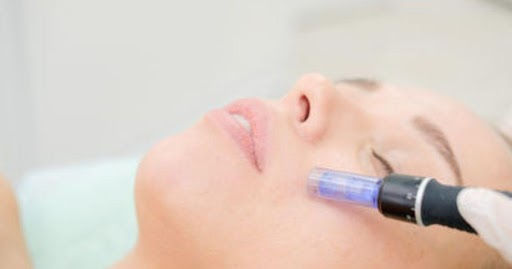
Most people assume all microneedling treatments deliver similar outcomes, but results often fall short due to inconsistent depth, lack of clinical precision, and poor post-treatment care.
At-home devices rarely stimulate true collagen remodeling, leading to temporary changes rather than long-term skin improvement or structural rejuvenation.
To understand why outcomes vary so widely, let’s break down how different approaches actually compare.
What Actually Drives Skin Transformation: Surface-Level Effort vs. Clinical Precision
Before choosing a solution, it is important to look beyond convenience and understand what truly impacts skin results.
Not all microneedling treatments are designed to deliver the same biological response.
1. Depth Precision—Controlled vs. Random Penetration
Basic tools, especially at-home rollers, operate at shallow, inconsistent depths. This limits their ability to trigger meaningful collagen production.
In contrast, advanced clinical microneedling treatments use medical-grade devices that precisely control needle depth based on skin condition, ensuring targeted dermal stimulation where it matters most.
2. Biological Stimulation—Passive vs. Active Regeneration
At-home approaches rely solely on mechanical stimulation, which often leads to minimal results.
Clinical treatments enhance outcomes by combining techniques like radiofrequency or platelet-rich plasma (PRP), activating deeper healing pathways.
A study published in the Journal of Clinical and Aesthetic Dermatology found that “professional microneedling significantly improves acne scars after multiple sessions.”
3. Skin Response—Short-Term Glow vs. Long-Term Remodeling
Many users report a temporary glow with basic tools, but this fades quickly. Advanced microneedling treatments are designed for progressive improvement, strengthening skin structure over time.
According to the American Medical Association, “collagen production continues for weeks after professional procedures.”
4. Safety & Customization—Generic vs. Skin-Specific Protocols
DIY devices follow a one-size-fits-all approach, increasing risks like irritation or uneven results.
Clinical treatments are customized based on skin type, concerns, and sensitivity levels, ensuring both safety and effectiveness.
5. Outcome Control—Trial-and-Error vs. Guided Strategy
With at-home tools, users often experiment without clarity, leading to inconsistent outcomes.
Professional microneedling treatments follow structured protocols, offering predictable and trackable improvements aligned with long-term skin goals.
6. Quick Comparison Snapshot
Factor | Basic Microneedling | Advanced Clinical Approach |
Depth Control | Limited & inconsistent | Precisely controlled |
Stimulation | Surface-level | Deep collagen activation |
Results Timeline | Short-term | Progressive, long-term |
Safety | User-dependent | Clinically supervised |
Customization | Minimal | Fully personalized |
Now that the differences are clear, the next step is understanding how to choose the right provider for real, lasting results.
The Provider Difference That Quietly Changes Everything
At BeRejuved, we have seen firsthand how outcomes shift when strategy replaces guesswork.
Choosing the right provider is not about trends—it is about precision, safety, and long-term skin transformation. That is where smart clients approach microneedling treatments differently.
1. Clinical Precision vs. Guesswork Results
When we perform microneedling treatments, depth control is tailored to your skin concern—acne scars, fine lines, or texture.
At-home devices simply cannot match this level of calibration.
According to the American Academy of Dermatology Association, “professional treatments penetrate deeper layers safely, improving outcomes significantly.”
2. Biological Stimulation That Actually Triggers Change
We go beyond surface-level needling by integrating advanced options like microneedling with PRP or Morpheus8. This enhances collagen production at a cellular level.
A study published in PubMed Central found that combination therapies improved skin texture by over 60 percent in controlled patients.
3. Customization Based on Skin Biology, Not Templates
Every session we perform is guided by your skin’s condition, age, and goals. Unlike generic tools, our approach to microneedling treatments adapts in real time—whether addressing pigmentation, laxity, or early aging signs.
4. Safety Protocols That Protect Long-Term Skin Health
Sterile environments, medical-grade devices, and licensed professionals ensure risks are minimized.
At-home misuse often leads to irritation or uneven results, which we frequently help correct.
5. Integrated Aesthetic Strategy (Not One-Time Fixes)
We often combine microneedling treatments with peptide therapy, anti-aging protocols, or skin rejuvenation plans. This creates a layered approach where results build over time rather than fade quickly.
6. Outcome-Focused Experience vs Trial-and-Error Spending
Many clients come to us after spending months experimenting with devices. Our structured treatment plans reduce that uncertainty and deliver predictable, progressive improvements.
7. Who Each Option Is Really For
At-Home Devices: Best for low-commitment users comfortable with minimal, slow changes.
Clinical Microneedling Treatments: Best for individuals seeking visible, medically guided, and lasting skin improvement.
As you can see, the decision is not just about tools—it is about who is guiding the outcome. Before moving forward, let’s address the most common questions clients ask.
What Most People Still Wonder Before Choosing
Q 1. Are Microneedling Treatments Painful?
Answer: Most clients experience mild discomfort, but numbing agents make the procedure highly tolerable in a clinical setting.
Q 2. How Many Sessions Are Needed for Visible Results?
Answer: Typically, 3–6 sessions are recommended, depending on your skin goals and condition severity.
Q 3. Is There Downtime After Professional Treatments?
Answer: Downtime is minimal—usually redness for 24–48 hours, with gradual skin improvement over weeks.
Q 4. Can Microneedling Treatments Be Combined with Other Procedures?
Answer: Yes, combining with PRP, Morpheus8, or peptide therapy enhances results and accelerates skin regeneration.
Q 5. Are At-Home Devices Completely Ineffective?
Answer: Not entirely, but they offer limited penetration and results compared to professional-grade microneedling treatments.
Now that your key concerns are clear, let’s bring everything together simply.
Decision Clarity—“Know What You’re Really Choosing”
At BeRejuved, we see this decision as more than just choosing between options—it is about choosing outcomes.
If you are someone who values convenience and short-term experimentation, at-home tools may feel accessible.
But if you are focused on visible skin transformation, controlled treatment depth, and long-term skin health, professional microneedling treatments become the smarter path.
Our approach is built for clients who want precision-driven results—not guesswork.
Whether it is microneedling with PRP, Morpheus8, or advanced skin rejuvenation protocols, we guide you with clinical expertise, not trends.
We combine personalized assessment, regulated techniques, and ongoing support to ensure your skin responds the right way over time.
If you are serious about improving texture, reducing scars, or investing in anti-aging and longevity, it is time to move beyond surface-level solutions.
Explore microneedling treatments with us and take the next step toward real, lasting skin results.



Comments